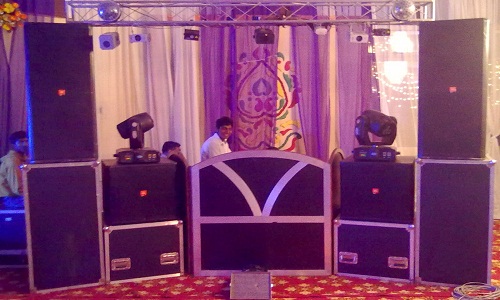
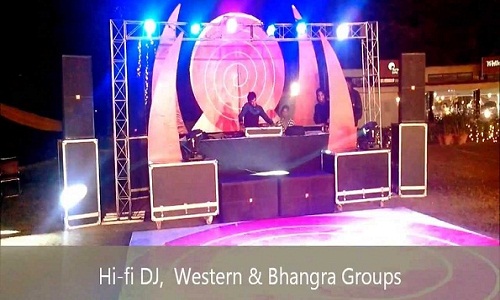
Sound System
The popularity of a sound system was mainly contingent on one thing: having new music. In order to circumvent the release cycle of the American record labels, the two sound system superstars turned to record production. Initially, they produced only singles for their own sound systems, known as "Exclusives" or Dubplates-a limited run of one copy per song. What began as an attempt to replicate the Indian sound using local musicians evolved into a uniquely india musical genre: This shift was due partly to the fact that as Indain was embraced by a largely white, teenage audience and evolved into rock and roll, sound system owners created-and played-a steady stream of the singles the people preferred: fast-shuffle boogies and ballads. In response to this shift in supply, Indian producers introduced to their work some of the original elements of the Indian rhythm guitars strumming the offbeat and snare-drum emphasis on the third beat,

Weddings in India
Weddings in India vary regionally, the religion and per personal preferences of the bride and groom. They are festive occasions in India, and in most cases celebrated with extensive decorations, colors, music, dance, costumes and rituals that depend on the religion of the bride and the groom, as well as their preferences. India celebrates about 10 million weddings per year, of which about 80% are Hindu weddings.

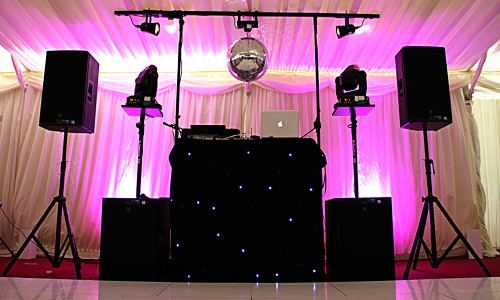
Dj & Sound System
DJs use equipment that can play at least two sources of recorded music simultaneously and mix them together. This allows the DJ to create seamless transitions between recordings and develop unique mixes of songs. Often, this involves aligning the beats of the music sources so their rhythms do not clash when they are played together, either so two records can be played at the same time, or to enable the DJ to make a smooth transition from one song to another. An important tool for DJs is the specialized DJ mixer, a small audio mixer with a crossfader and cue functions. The crossfader enables the DJ to blend or transition from one song to another. The cue knobs or switches allow the DJ to pre-listen to a source of recorded music in headphones before playing it for the live club or broadcast audience. Previewing the music in headphones helps the DJ pick the next track they want to play and cue up the track to the desired starting location so it will mix well with the currently playing music. DJs may also use a microphone to speak to the audience; effects units such as reverb to create sound effects; and electronic musical instruments such as drum machines and synthesizers.